
Stem Cell Blog
Stem Cell Blog

The Ultimate Push Present Guide (2026 Edition)
The Push Present: An Expectant Dad’s Guide to Getting It Right Push presents may have started in the United States, but the trend has steadily made its way across the globe. While they are still a relatively modern tradition in the UAE, many expectant fathers now...

7 Things You Need to Organise Before Baby Comes – The Ultimate 2026 Checklist
The "Nesting" Instinct is Real Somewhere around the 30-week mark, panic sets in. You look around your house and think, "We are not ready." Suddenly, you are organising closets you haven't opened in years and researching the safety ratings of diaper pails. But amidst...
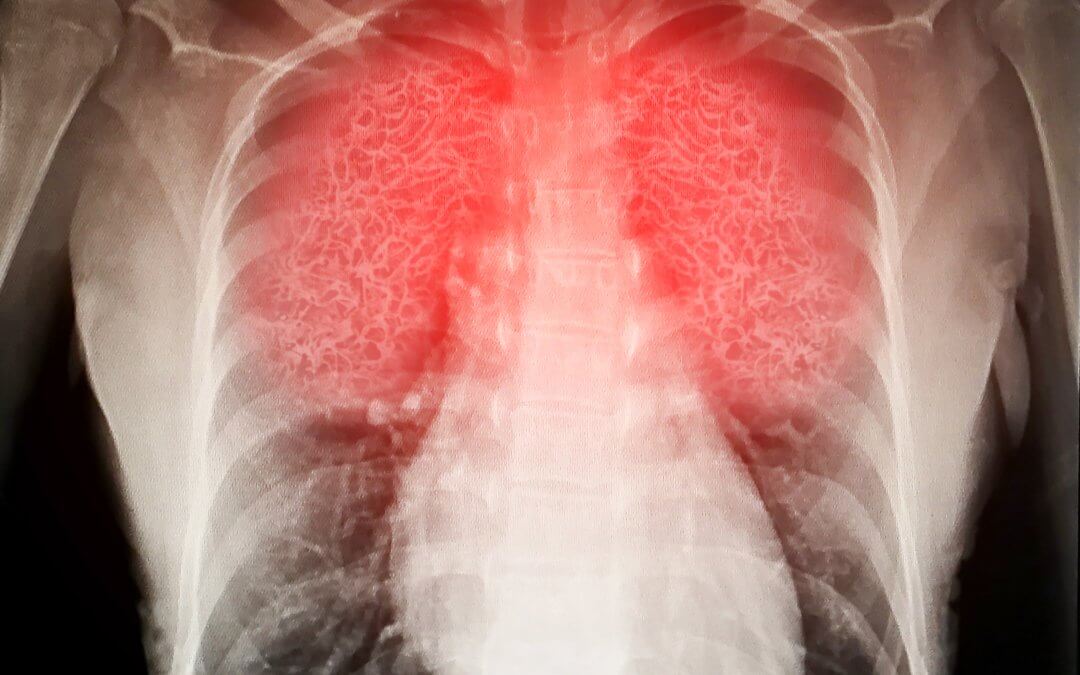
Could Stem Cells Help People in Respiratory Distress?
When a severe illness, infection, or injury affects the lungs, inflammation can cause fluid to accumulate, leading to Acute Respiratory Distress Syndrome (ARDS).[1][2] With limited effective treatments, this life-threatening condition remains a major medical...
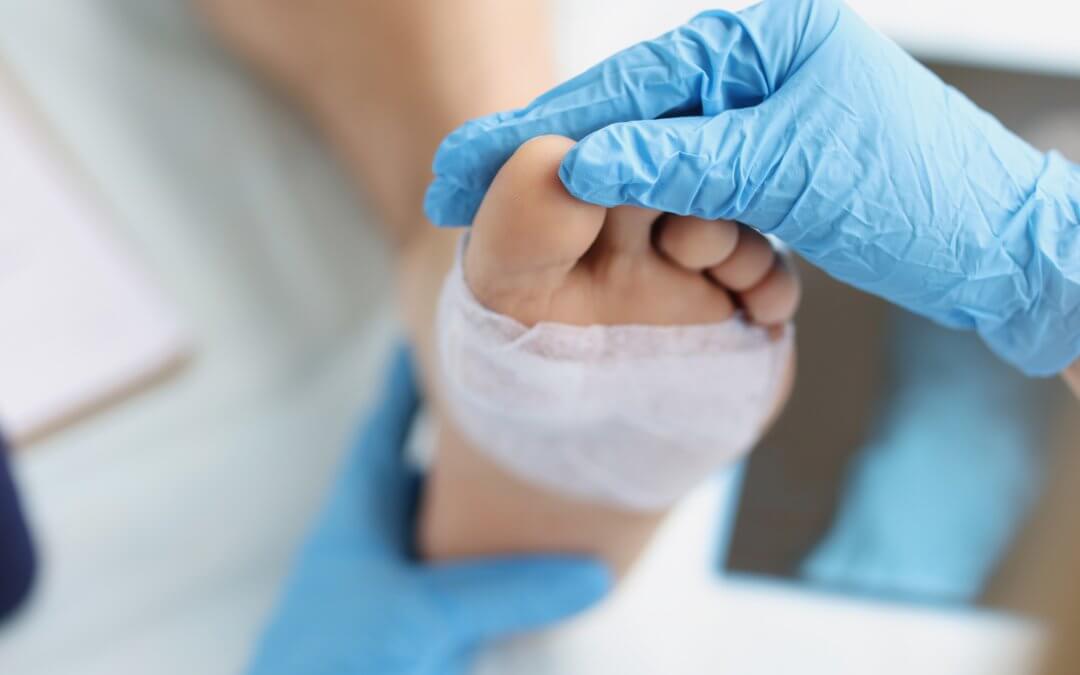
Can Stem Cell Therapy Heal Diabetic Foot Ulcers?
Key details High amputation risk: Diabetic foot ulcers are a serious complication of diabetes, often leading to infection and significantly higher amputation risks compared to the non-diabetic population.[1] Treating the root cause: Stem cell therapies, particularly...
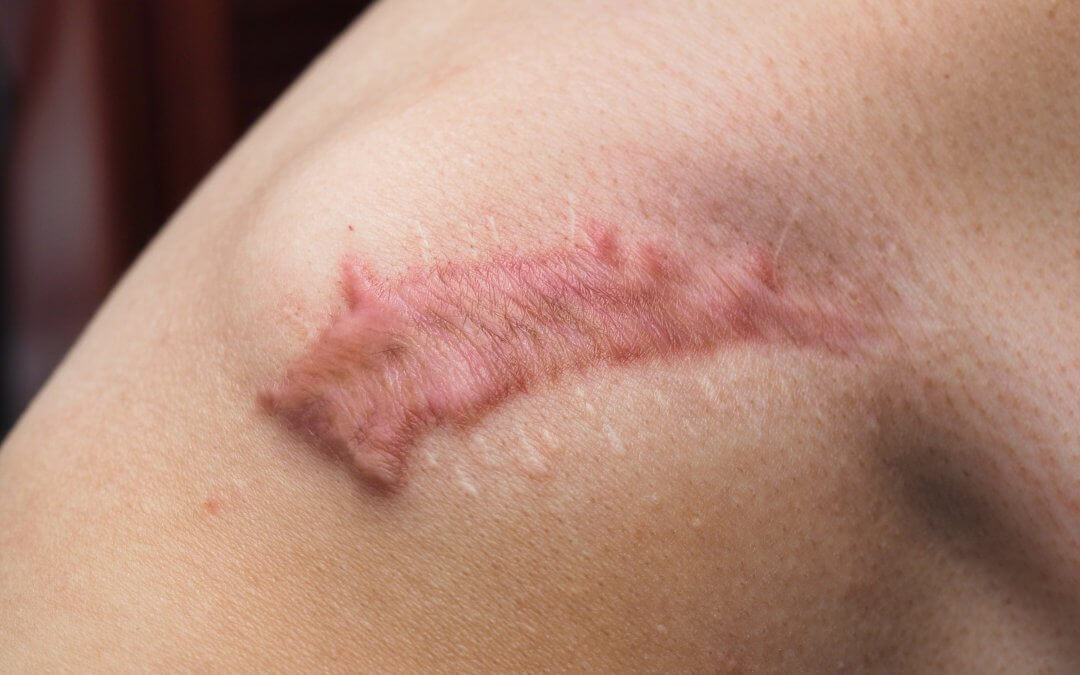
What Does Research Say About Stem Cells and Scarring?
Key details Current limitations: Traditional scar treatments (such as surgery, silicone gels, corticosteroids, and laser therapy) can improve appearance and symptoms but are often only partially effective, and no gold-standard treatment exists for symptomatic...

Recent Posts
-
 Iran Begins Treating Osteoarthritis With Umbilical Cord Stem Cells
-
 Stem Cell Particles Used to Treat Severe Burns in a World First
-
 Cord Blood Awareness Month 2026: The Past, Present, and Future of Cord Blood Stem Cells
-
 Stem Cell Therapy for Alzheimer’s Granted FDA Fast Track as It Advances to Phase 2
-
 Cord Tissue Stem Cells Enter a Trial for CTE – the Brain Injury Linked to Repeated Head Knocks