
What is Placenta Banking?
Unlocking the Full Potential of Your Baby’s Placenta
Do you know the benefits the placenta holds for Mum?
Discover how banking your maternal decidua offers a once-in-a-lifetime opportunity to invest in your future well-being too, Mum.
During pregnancy, your placenta is essential, nourishing your baby as they grow. But its incredible usefulness doesn’t have to end at birth.
Your placenta contains a wealth of powerful cells across three distinct tissues – two for baby, one for you.
- Amnion and Chorionic Villi. For your baby, containing unique cells.
- Maternal Decidua. For you, Mum; a rich source of your own stem cells.
The decision for placenta banking allows you to preserve these unique cells.
These placental tissues are already being used in therapies to push the boundaries of medicine – helping to heal serious burns, diabetic ulcers, and regenerate damaged tissues. Furthermore, they are the focus of a rapidly growing body of promising clinical trials for conditions like cardiovascular diseases, brain injuries, arthritis, and more.
By choosing placenta banking with Cells4Life, you can ensure your and your baby have access to a wider spectrum of the latest regenerative therapies as they become available.
Placenta Banking with Cord Blood and Tissue
Cells4Life is at the forefront of providing comprehensive newborn stem cell banking options. We offer placenta banking in conjunction with cord blood and tissue banking, allowing you to maximise the types and quantities of stem cells preserved for your baby’s future, significantly broadening their therapeutic possibilities.
Storing your placenta’s valuable tissues after birth is a straightforward process with Cells4Life. You can choose to bank placental cells from the chorionic villi, the amniotic membrane, and the decidua alongside traditional cord blood and tissue banking.

Placenta Banking
with Cells4Life
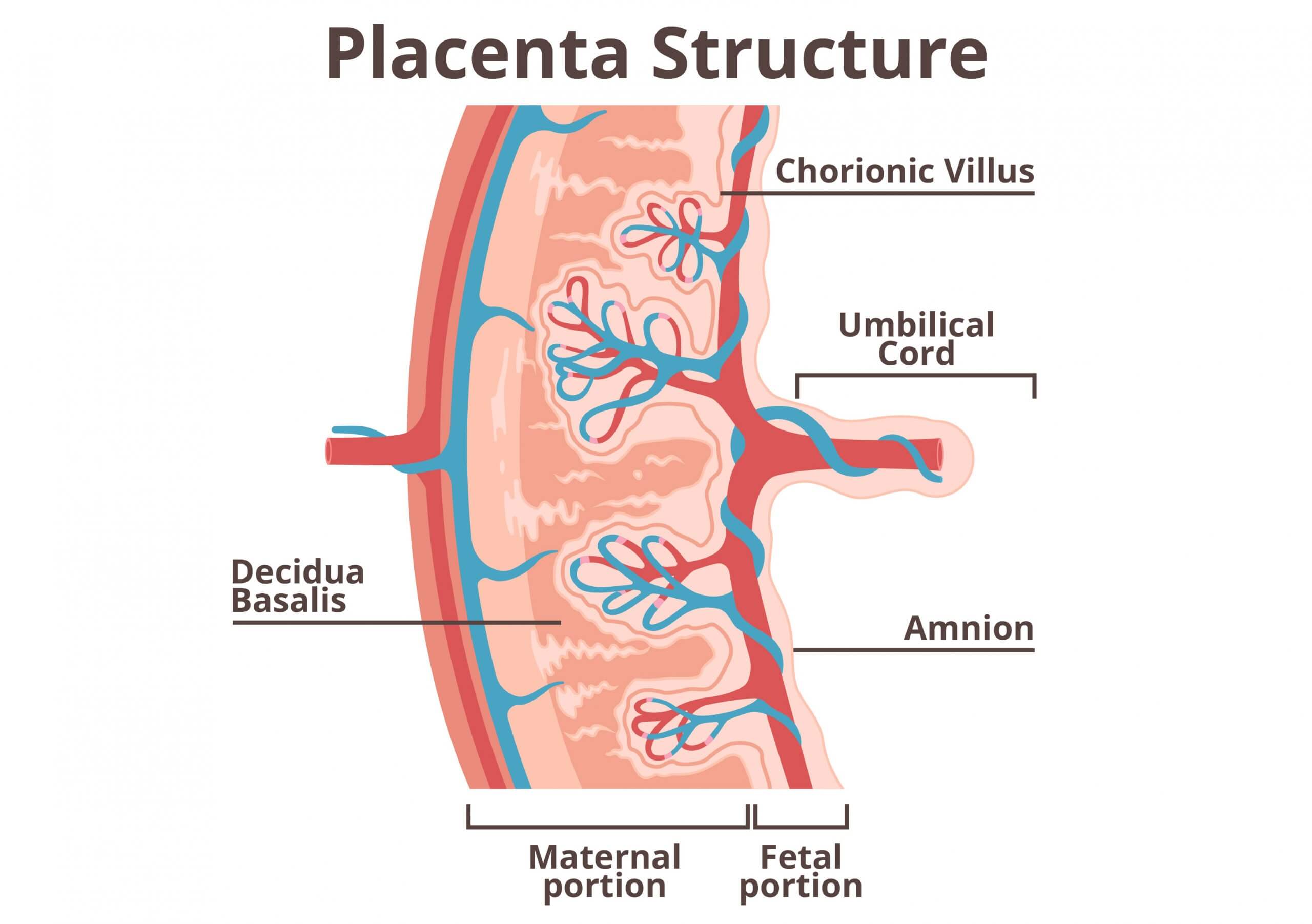
Your placenta offers several unique components for placenta banking: the inner amniotic membrane (amnion) and the chorion’s remarkable chorionic villi for your baby, and the maternal decidua for you, Mum. All boast powerful regenerative properties and are actively being studied in global clinical trials.
Cells4Life is proud to offer families the distinct opportunity to preserve these vital placental tissues—the amnion, the chorionic villi, and the maternal decidua—separately.
This pioneering approach helps your family unlock their full, exciting potential:
Amnion Banking: Preserve the amniotic membrane from your placenta. This resilient tissue has a century-long history of aiding healing in burns and wounds and now shows promise in clinical trials for conditions like heart disease, MS, eye diseases, and more.
Chorionic Villi Banking: Secure the potent cells from your placenta’s chorionic villi. These villi are rich in unique regenerative cells, like MSCs, currently vital in clinical trials for arthritis, cerebral palsy, diabetic ulcers, and beyond.
Placental Decidua Banking: Preserve the maternal decidua, the maternal side of the placenta and a perfectly matched source of your own stem cells (Decidual MSCs), being researched for autoimmune conditions, cardiovascular health, transplant complications, and rejuvenation.
As part of our service, each of these tissues is meticulously processed and stored individually, maximising future therapeutic options.
GET YOUR FREE INFO PACK
The Benefits of Placenta Banking
Choosing placenta banking offers your family access to a wide array of current and potential future benefits:
Access to Proven and Emerging Therapies
The power of placental tissues is already being realised. The amniotic membrane has a century-long history in treating wounds, burns, and eye conditions. Today, amnion and cells from the chorionic villi and maternal decidua are at the cutting edge of regenerative medicine research. Storing these tissues is not just an investment in future therapies; some applications are already improving lives.
More Cell Types, More Treatment Avenues
The more types and quantities of stem cells your child has stored, the better. By adding placenta banking (Amnion, Placental Cells from chorionic villi, and maternal decidua) to your baby’s umbilical cord blood and cord tissue storage, you maximise the diversity of cells available, ensuring they, and you, mum, can benefit from the widest possible range of therapeutic options as medical science advances.
Amnion: Effective Now, Innovating for Tomorrow’s Treatments
The amniotic membrane is at the forefront of exciting medical research. Not only are there several existing therapies using amnion, clinical trials are actively exploring its potential to treat and manage a variety of challenging health conditions, including:
Ulcers
In 2017, research showed that the amniotic membrane promotes ‘epithelialisation’—the body’s process of replacing skin cells to heal a wound. Other studies also indicate that amnion tissue is beneficial in healing diabetic foot ulcers, a serious complication affecting many individuals with diabetes.
Lung & Liver Fibrosis
The powerful anti-inflammatory effects of the amniotic membrane may make it an ideal therapeutic option for conditions like liver fibrosis. In animal studies, applying amnion has led to tissue regeneration, inhibited fibrosis (the scarring of connective tissue), and reduced inflammation.
Cardiovascular Conditions
Studies suggest that injections of cells derived from or cultured with amnion could be used to address cardiovascular defects. Additionally, patches of the amniotic membrane itself have been applied to treat patients with inflammatory cardiovascular conditions.
3D Bioprinting of Tissues
3D bioprinting is a cutting-edge technology, and scientists are now exploring its potential to create biological tissues. Researchers have utilised stem cells associated with the amniotic membrane to help bio-engineer functional muscles, jawbone fragments, and even ear cartilage.
Dry Eye
The amniotic membrane is also used to treat more common conditions. For instance, doctors have used it to enhance recovery in patients with severe dry eye, observing improvement in 88% of cases in one study involving 90 patients.
Brain Injury
A growing body of research suggests that cells from the placenta, including those from or supported by the amniotic membrane, could aid in recovery from acute brain injury. This may occur by reprogramming inflammatory responses and promoting lasting improvements in neurological function.
Amnion Skin Grafts
The amniotic membrane is rich in cytokines and growth factors, enabling it to support wound healing and reduce scar tissue formation. It is also believed to alleviate pain when applied to a wound. Because it is non-immunogenic (unlikely to cause an immune response), it’s ideal for allogeneic use (from a donor to a recipient) as the risk of immune system rejection is low.
Burns
A 2016 study concluded that using the amniotic membrane as a dressing for burn wounds can reduce pain and lead to faster healing.
Type 2 Diabetes
The amniotic membrane shows promise as an effective therapy for conditions impacting millions of people globally. For example, a 2016 study indicated that an injection of cells derived from amniotic placental tissue may help improve glycaemic control in patients with diabetes.
Placental Cells: Pioneering Future Medical Treatments
Scientists are continually uncovering the vast potential of chorionic villi. These cells show incredible promise in a rapidly expanding list of therapeutic applications, with ongoing research highlighting their potential for various conditions:
Heart Disease
Heart disease is a major health concern worldwide. Cells from prenatal sources, particularly chorionic villi, show significant potential in cardiovascular tissue engineering. Scientists anticipate they could be used to help create heart valves and potentially even new blood vessels.
Crohn’s Disease
Crohn’s disease is a challenging inflammatory condition. Preclinical studies indicate that cells from chorionic villi may help reduce liver inflammation, a common symptom associated with Crohn’s.
Osteoarthritis
Osteoarthritis impacts the quality of life for many individuals. International research includes studies where chorionic villi-derived cells have been injected into arthritic knees to determine if they can reduce inflammation, stiffness, pain, and improve movement
Type 2 Diabetes
Type 2 diabetes is a widespread health issue. Clinical trials have explored using cells from chorionic villi for this condition. In one such study, after receiving these placental cells, some patients with Type 2 diabetes showed increased insulin levels, with a notable portion (4 out of 10 in that study) reducing their insulin dosage by over 50%.
Ischaemic Stroke
Stroke is a serious medical event affecting many. Animal studies suggest that chorionic villi cells could aid in recovery for stroke patients, particularly due to their potential to promote neural growth and repair in affected brain areas.
A perfect genetic match
Using your own cells for any potential future therapy eliminates the risk of immune system rejection, meaning they are likely to provide a more lasting repair.
Why Bank Your Own Maternal Decidua Cells?
Regenerative medicine is poised to change how we approach lifelong health, and Decidual MSCs are likely to be a big part of this, with researchers actively investigating their potential to modulate the immune system, reduce inflammation, and repair damaged tissues. Key areas of research include:
Autoimmune Conditions: Diseases like Multiple Sclerosis, Lupus, and Rheumatoid Arthritis disproportionately affect women. Scientists are exploring the powerful immunomodulatory properties of Decidual MSCs to “reset” the immune system and reduce inflammation. Preclinical studies for MS showed they could delay symptom onset and reduce disease severity.
Cardiovascular Health: For heart disease Decidual MSCs have shown a superior ability to promote new blood vessel formation compared to bone marrow MSCs. In preclinical models of heart attack, Decidual MSC transplantation led to improved revascularization and cardiac function.
Graft-Versus-Host Disease (GVHD): In treating this severe transplant complication, they have shown a stronger immunosuppressive effect than other stem cell sources. Early clinical trials have been exceptionally promising, with some studies reporting high response rates and one-year survival rates over 75%.
Rejuvenation and Anti-aging: Your maternal stem cells offer significant rejuvenation potential by directly addressing key drivers of ageing, such as cellular inflammation. Their release of potent bioactive molecules stimulates your body’s own fibroblasts to increase collagen synthesis, a process crucial for repairing and maintaining the structural integrity of skin tissue.
GET YOUR FREE INFO PACK
Quick questions…
What happens to the placenta after birth?
In most cases, your placenta is discarded after birth and a potentially life-changing resource simply goes to waste. When you choose to store your placenta after birth, your placenta is collected and sent to our laboratory for processing and storage.
How does the placenta banking collection process work?
The collection for placenta tissue banking happens after the third stage of labour, when the placenta has been delivered and the umbilical cord has been cut. First, cord blood and cord tissue collection is performed, if you’ve booked that service. Then, the placenta is stored inside a biopouch and placed into the kit box to be sent back to our laboratory for processing and storage. The whole process happens in a separate room, and will not interfere with the precious first bonding moments between you and your baby.
Is placenta banking compatible with placenta encapsulation?
Placenta encapsulation is the process of dehydrating and grinding the placenta before packaging the resulting powder into pills. The process is a form of placentophagy, which is the act of consuming the placenta after birth.
Encapsulation is not compatible with placenta tissue banking, so you would need to make a decision between the two options. However, should you choose encapsulation, you will still be able to retain stem cells from cord blood and cord tissue.
Is placenta banking compatible with delayed cord clamping?
Yes, placenta tissue banking is fully compatible with delayed and optimal cord clamping. Collection takes place in a separate room after the third stage of labour and clamping of the cord.
How are maternal stem cells from the decidua different from the other placental cells you bank?
Our other placenta banking services – Amnion and Chorionic Villi – preserve tissues from the foetal side of the placenta for your baby’s potential use. Maternal Decidua Banking is unique because it preserves tissue from the maternal side of the placenta, securing your own perfectly matched stem cells for your exclusive future use.
Can my baby or other family members use my decidual stem cells?
Because these are your own cells, they are a perfect genetic match only for you, meaning they are superior to stem cells from someone else, as they are likely to last longer, providing a better repair. However, like all placental stem cells, they could also be used for other family members too.
Is the collection process safe? Does it interfere with delayed cord clamping?
The collection process is completely safe. The placenta is collected after it has been delivered, so the procedure poses absolutely no risk to you or your baby. It does not interfere in any way with your birth plan, including your choice for immediate or delayed cord clamping.