
Understanding Exosome Banking
The Messengers Behind Your Baby’s Stem Cells
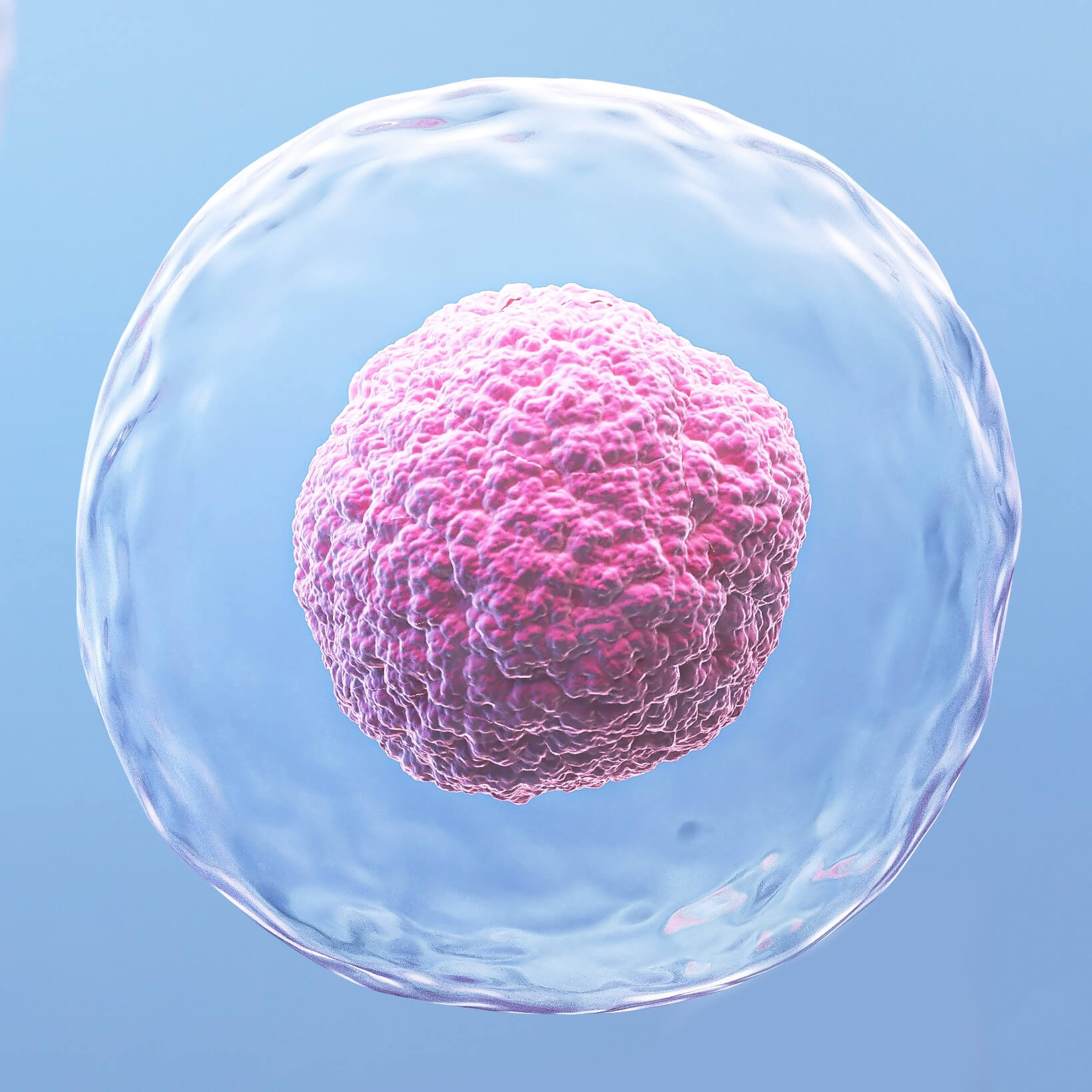
Your baby’s stem cells do more than repair and replace – they communicate with exosomes.
Exosomes are the tiny messengers that carry those instructions from one cell to the next.
They are nanoscale vesicles, typically just 30 to 150 nanometres across, released by virtually every cell in the body, including the powerful stem cells found in cord blood and cord tissue. Each one is packaged with proteins, lipids and genetic material such as messenger RNA and microRNA, which it ferries between cells. In effect, exosomes are how cells talk to one another, coordinating repair, regeneration, inflammation and immune response throughout the body.
Because they carry the regenerative signals of stem cells without the cells themselves, exosomes have opened up an entirely new field known as cell-free therapy, one of the most exciting frontiers in modern medical science.
Why Exosomes Matter
A Youthful, Potent Source
Exosomes derived from newborn stem cells are considered especially pristine and biologically active, free from the wear that accumulates in cells over a lifetime. Preserving them at birth secures this youthful source for your child’s potential future use.
A Natural Delivery System
Exosomes are also being studied as precise delivery vehicles, capable of carrying therapeutic molecules to specific tissues, which could one day make treatments more targeted and effective.
What Do Exosomes Do?
Within the body, exosomes play several key roles that make them so interesting to researchers:
Cell-to-cell communication

They carry instructions that tell other cells how to behave, repair and regenerate.
Tissue repair and regeneration

They help orchestrate the healing of damaged tissue.
Immune modulation

They help regulate and balance the immune system’s response.
Anti-inflammatory action
They can help calm excessive inflammation, a factor in many chronic conditions.
Why Bank Your Baby’s Exosomes?
Adding exosome storage to your cord blood and cord tissue banking preserves this distinct and biologically active resource alongside your baby’s stem cells. As cell-free therapies move from the laboratory towards the clinic, banking exosomes today broadens the range of options your family may be able to draw on as the science advances – a comprehensive approach to securing every part of your baby’s regenerative potential.
What Are Exosomes Being Researched For?
Exosomes, particularly those derived from Mesenchymal Stem Cells, are being investigated in preclinical and clinical research across a wide range of areas, including:
Wound healing and skin regeneration
Neurological conditions
Cardiovascular disease
Orthopaedic conditions
Inflammatory and autoimmune conditions
Lung injury and respiratory conditions
Kidney and liver disease
Targeted drug delivery
…and many others.
As with all emerging therapies, much of this work is still at the research stage, but the breadth of investigation reflects just how promising exosomes have become.
GET YOUR FREE INFO PACK
Quick questions…
What exactly are exosomes?
Exosomes are tiny vesicles released by cells that carry proteins, lipids and genetic material between cells, acting as the body’s natural messaging system.
How are exosomes collected and stored?
Exosomes are derived from the stem cells within your baby’s cord blood and cord tissue sample and preserved through cryogenic storage, ready for potential future use.
Are exosome therapies available now?
Exosome-based treatments are largely still in research and clinical trials rather than routine clinical use. Banking now secures the resource so your family is positioned to benefit as approved therapies emerge.