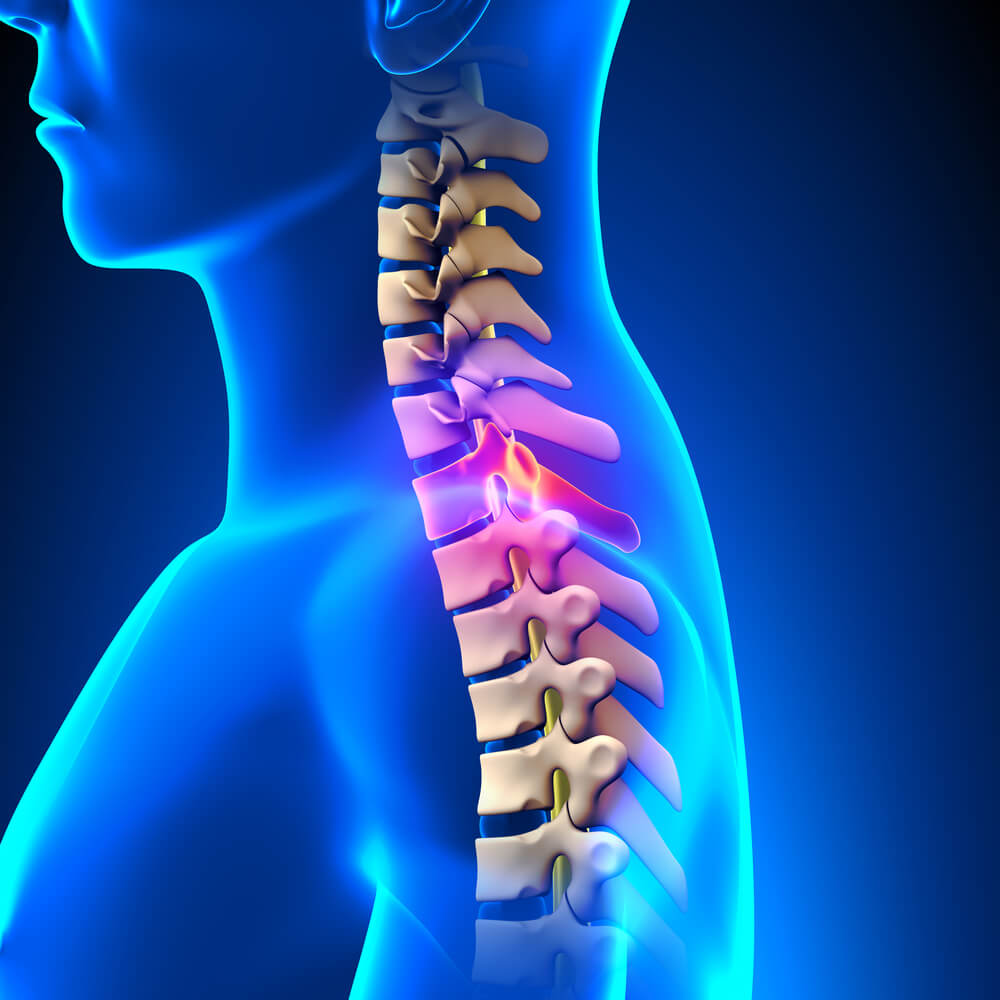
Spinal Cord Injury and Stem Cells
The spinal cord is a collection of nerve fibres and other tissues contained within the spine. The nerves within the spinal cord connect the peripheral nervous system to the brain forming the central nervous system. The spinal cord is essential for the transmission and reception of electrical messages to and from the brain to other areas of the body. If the spinal cord becomes damaged, the impacts can be devastating or even fatal.
Preventable causes such as violence, falls and road traffic accidents account for the majority of spinal cord injuries. Every year, between 250,000 and 500,000 people suffer a spinal cord injury globally. Unfortunately, those with a spinal cord injury are 2 to 5 times more likely to suffer premature death than those without.[1]
A spinal cord injury can affect anyone at any time and unfortunately there is currently no effective treatment available to those with a spinal cord injury.
Spinal cord injury is associated with extremely high healthcare costs globally. Depending on severity, the first year after injury can cost anywhere from tens of thousands to over one million US dollars, with substantial ongoing annual costs thereafter and lifetime expenses that may reach several million dollars.[2]
Spinal Cord Injury Facts
- Over 15 million people are living with a spinal cord injury globally.[3]
- Spinal cord injury is a leading contributor to long-term disability, resulting in more than 4.5 million years lived with disability worldwide.[3]
- The average age at injury has increased from 29 years old in the 1970s to 43 years old from 2015 onwards [4]
- Approximately 79% of those with SCI are male [4]
Spinal Cord Repair and Stem Cells
While there is currently no effective treatment for spinal cord injury available to the general public, stem cells could hold the key to successful spinal cord repair in the future. A British professor, Geoffrey Raisman, headed research that used stem cells to enable a paralysed man to walk again.
The research used a type of stem cell called olfactory ensheathing cells (OECs) from the nose of the patient and transplanted them into the spinal cord. OECs are specialist cells that form part of the sense of smell enabling nerve fibers in the olfactory system to continually renew. It was previously thought that severed nerve fibers in the spinal cord were unable to repair themselves. However, once OECs have been transplanted into the spinal cord it appears they facilitate the growth of the ends of severed nerve fibers and even enable them join together.[6]
In addition to Raisman’s research, Dr. Carlos Lima of Portugal had transplanted olfactory stem cells to treat spinal cord injury in over 100 patients. Lima and his team showed that a few patients were able to regain some motor function and sensation thanks to the transplanted olfactory stem cells.[7]
Promisingly, there are currently 38 clinical trials investigating the application of stem cells in spinal cord injury.[8]
References
- http://www.who.int/mediacentre/factsheets/fs384/en/
- Malekzadeh, H., Golpayegani, M., Ghodsi, Z., Sadeghi-Naini, M., Asgardoon, M., Baigi, V., Vaccaro, A. R., & Rahimi-Movaghar, V. (2022). Direct Cost of Illness for Spinal Cord Injury: A Systematic Review. Global spine journal, 12(6), 1267–1281. https://doi.org/10.1177/21925682211031190
- https://www.who.int/news-room/fact-sheets/detail/spinal-cord-injury
- https://www.christopherreeve.org/todays-care/paralysis-help-overview/stats-about-paralysis/
- http://www.nsif.org.uk/research/breakthrough/
- http://www.theguardian.com/science/2014/oct/21/paralysed-darek-fidyka-pioneering-surgery
- http://www.lifenews.com/2012/07/03/adult-stem-cell-research-pioneer-dr-carlos-lima-dies/
- https://clinicaltrials.gov/ct2/results?term=stem+cells+spinal+cord+injury&Search=Search
- Neural regeneration research, 12(5), 815–825. https://doi.org/10.4103/1673-5374.206653
- Cell transplantation, 27(6), 907–915. https://doi.org/10.1177/0963689718766279
The information contained in this article is for information purposes only and is not intended to replace the advice of a medical expert. If you have any concerns about your health we urge you to discuss them with your doctor.