
Brain injury and stem cells
A Brain injury can be complex and diverse in its origins and the symptoms can vary enormously from incredibly mild to debilitating or even fatal. When a patient has a cerebral injury the supply of blood and oxygen to the brain is reduced or limited which results in the death of brain tissue.
Brain Injury Facts
- At least 10 million traumatic brain injuries are serious enough to result in hospitalisation or death around the world annually [1]
- Men are twice as likely to be hospitalised for a brain injury and three times as likely to die, compared to women.[2]
- Falls are the leading cause of brain injury for children and the elderly[3]
- Road traffic accidents are the leading cause among adults [3]
- In an Abu Dhabi study of 998 traumatic brain injury patients, 4 in 5 patients were male and aged 40 years or younger.[4]
- Road traffic accidents and falls from height were the leading causes of traumatic brain injury in the study population.[4]
- Around 1 in 20 patients were left with a disability following their injury.[4]
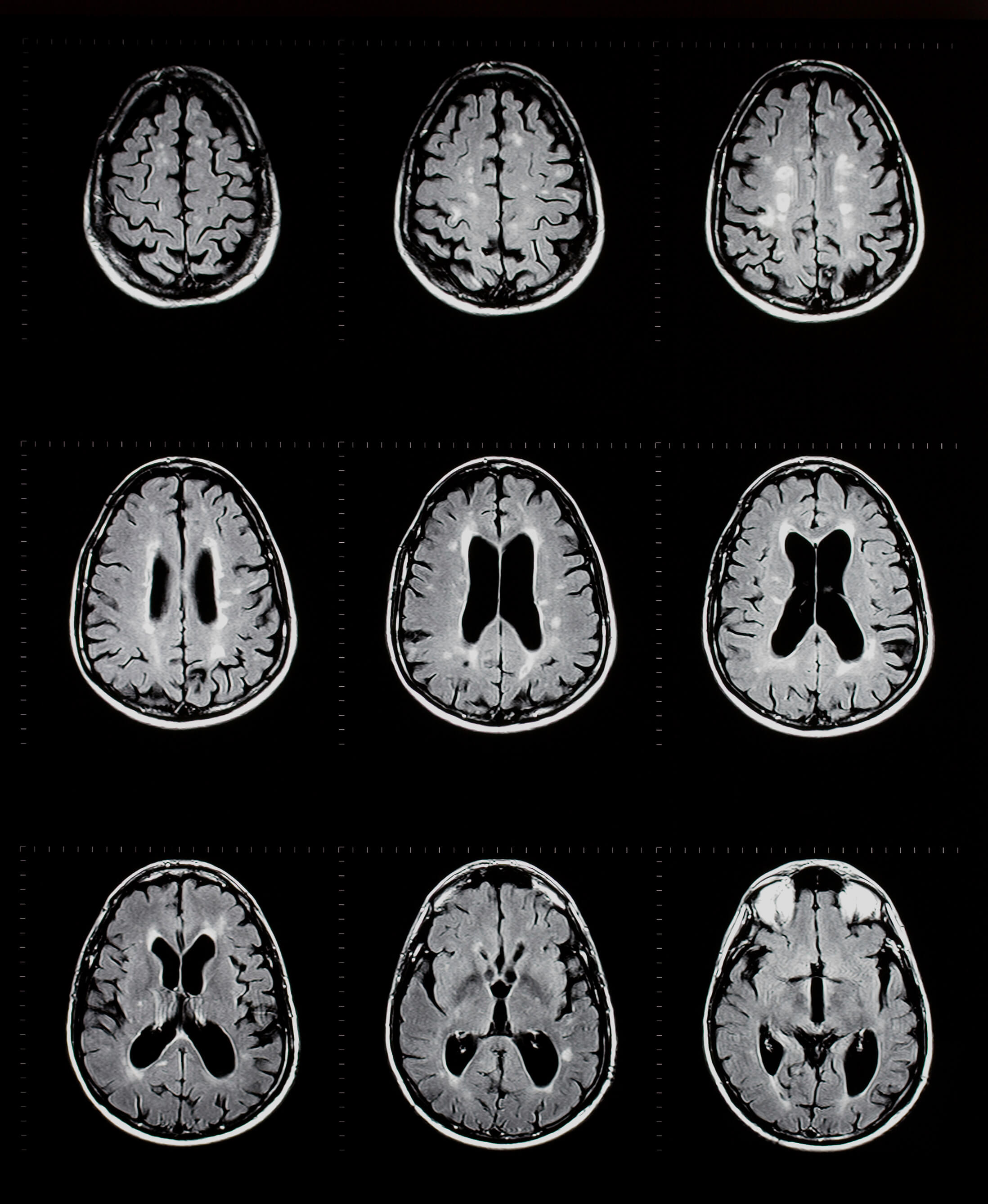
Brain injury and Cord Blood Stem Cells
The application of cord blood stem cells in cerebral injury are being investigated in over 55 clinical trials.[5] Many of the problems associated with traumatic brain injury occur because neural tissue is destroyed as the brain is under pressure as it swells within the restricted space within the skull.[6]
Research increasingly suggests that cord blood stem cells have the ability to pass through the brain’s protective barriers and enter the brain. Once in the brain these stem cells appear to initiate repair and promote healing. It isn’t fully understood how cord blood stem cells do this but current theories suggest that a combination of powerful properties such as anti-inflammatory, growth factors and circulation boosters could be the key. It is believed that they travel directly to damaged areas within the brain and improve blood flow, regrow blood vessels and calm inflammation which contributes to the growth of healthy new neural cells in place of damaged tissue.[6]
References
- http://www.sciencedaily.com/releases/2015/03/150323111651.htm
- https://www.cdc.gov/traumatic-brain-injury/data-research/index.html
- https://www.physio-pedia.com/Epidemiology_of_Traumatic_Brain_Injury/
- Alqaydi, K., Ghazanfar, O., Madhi, A., Avila, N., & Fares, S. (2024). Epidemiology of traumatic brain injury in Abu-Dhabi, UAE. New Emirates Medical Journal, 5, e060923220765. https://doi.org/10.2174/0250688205666230906092948
- https://clinicaltrials.gov/ct2/results?term=cerebral+injury+cord+blood&Search=Search
- https://www.youtube.com/watch?v=8s3dC7xEv-s
The information contained in this article is for information purposes only and is not intended to replace the advice of a medical expert. If you have any concerns about your health we urge you to discuss them with your doctor.