Calling All Sports Fans – Could You Give a Cheek Swab to Save a Life?
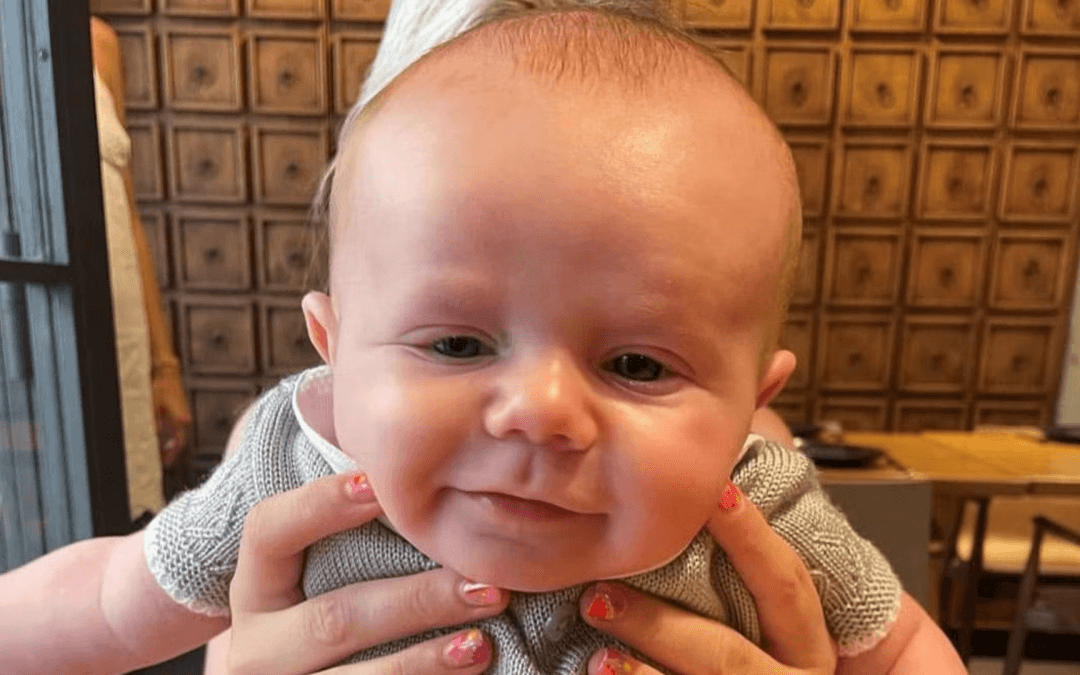
Baby Francis from Liverpool, UK, was diagnosed with acute myeloid leukaemia (AML), a rare and aggressive blood cancer. His story serves as a powerful reminder of why stem cell donor registries are so important around the world.
When he was six weeks old, his mum, Anna, noticed an unexplained bruise on his arm, and he was given blood tests. When initial tests failed to detect anything unusual, a bone marrow test was conducted after the tot became ill and lethargic.
Then, Anna was told her “joyful” baby who “hardly ever cried” had AML. The biopsy showed that 80% of his bone marrow was cancer cells. Speaking to ITV, Anna said: “Finding out that our baby has blood cancer has completely turned our world upside down.
“You never think something like this will happen to you; you feel so desperate.
“We’re devastated that Francis is having to face something so hard so young.”
Francis has been admitted to Alder Hey Children’s Hospital in Liverpool, where he will undergo chemotherapy before being transferred to Manchester Children’s Hospital in November, where he will need to undergo a stem cell transplant. A stem cell transplant is his only chance at a cure.
This is where YOU can help. A stem cell match is needed for patients like Francis, and joining a donor registry can be as simple as providing a cheek swab.
The ideal profile for a stem cell donor is typically a young, healthy adult male, as this group often produces higher stem cell yields. However, women and individuals of all ages and fitness levels are encouraged to register, as every additional donor increases the chances of finding a suitable match for someone in need.
This is why organisations encourage people from a wide range of backgrounds, including sports communities and active groups, to consider joining stem cell donor registries, as they often represent the ideal health profile. By increasing awareness and participation, more patients around the world, including in the UAE, may have a better chance of finding a life-saving match.
What Does Donating Stem Cells Entail?
You will receive a kit in the post, and all you need to do is swab your cheeks and spit into a vial to get on the register. If you are a match for someone in need, you will be contacted to arrange to donate your stem cells. Typically, you will be given an injection to increase the stem cells in your blood, and then your blood will be collected in the same way as donating blood. That’s it, simple as that.
The truth is, it’s very unlikely you will ever be called upon, but if you are, you could be saving someone’s life; the more people on the register, the more lives will be saved.
Where do you get a kit to register?
If you are interested in becoming a stem cell donor, you will need to register with a recognised donor registry in your country. Eligibility criteria, including age ranges, can vary depending on where you live.
In many regions, donor registries operate independently but are connected through the global network coordinated by the World Marrow Donor Association, which helps match patients and donors across countries.
International organisations such as DKMS also support donor registration in multiple countries, and may be a starting point depending on your location.
Anna said: “If you can sign up, please consider becoming a stem cell donor.
“You could save the life of someone like Francis and give hope to their loved ones too.”