For World Diabetes Day, we are raising awareness of this illness which claimed 1 life every 9 seconds in 2024.[1]
While there are several kinds of diabetes the most common are Type 1 and Type 2. Glucose is a kind of sugar which gives us energy, diabetics are unable to utilise this sugar due to a number of factors including no insulin, a lack of insulin or insulin not working properly.
Insulin is a hormone produced by the pancreas which regulates the amount of glucose in the blood. In type 1 diabetes the body has an inability to produce insulin, whereas in type 2 diabetes the body does not produce enough insulin or the insulin produced does not work properly.
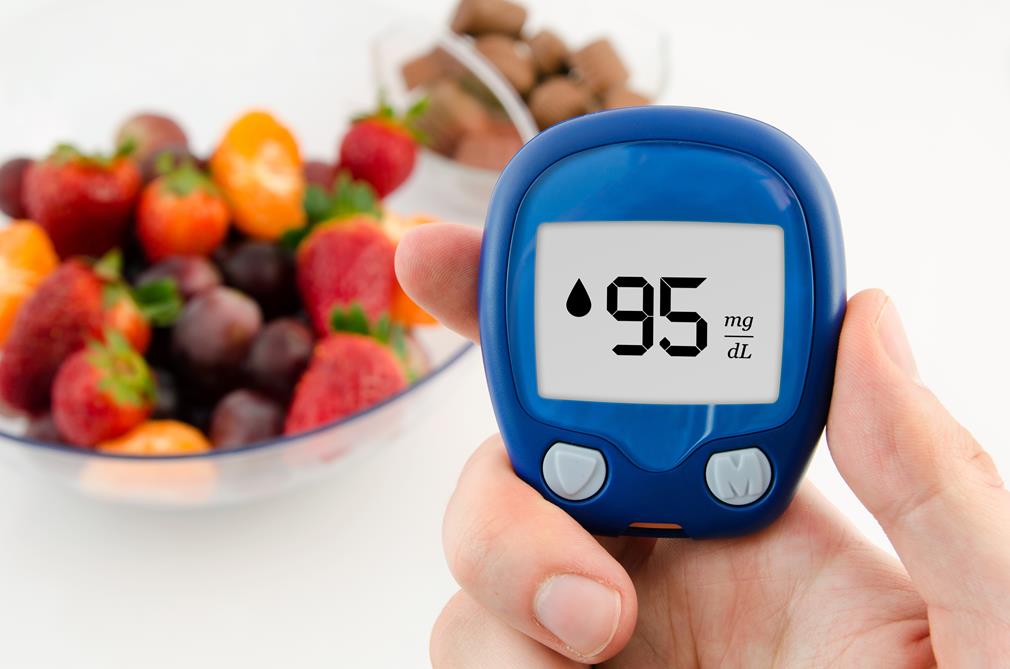
For diabetics eating a balanced diet is particularly important to help prevent the occurrence of high and low blood sugar; hypoglycaemia (to little glucose in the blood) and hyperglycaemia (too much glucose in the blood).
There were an estimated 830 million people living with diabetes worldwide in 2022, which has more than quadrupled since 1990.[2] This figure is expected to grow to 853 million by 2050.[3]
In the Middle East and North Africa (MENA) region, diabetes rates are among the highest in the world, affecting around 17.6% of the population. Numbers are expected to rise sharply in the coming decades, increasing by around 92% to reach an estimated 163 million people by 2050.[4]
Around 1.4 million people in the region are currently living with type 1 diabetes. It also has the highest proportion of diabetes-related deaths in people of working age (under 60), at 21.6%.[4]
Despite accounting for around 14.4% of the global diabetes population, the region represents only a small share of global healthcare spending on diabetes – about AED 128.5 billion, or 3.4% of total expenditure.[4]
Developments in stem cell research have yielded some positive results for diabetes. However, there is no cure available to the general public for diabetes at this moment in time.
[2]/https://www.who.int/news-room/fact-sheets/detail/diabetes
[3] https://idf.org/about-diabetes/diabetes-facts-figures/
[4]https://diabetesatlas.org/data-by-location/region/middle-east-and-north-africa/